What Factors Affect Restoration Time?
Several factors can affect how long water damage restoration takes, including the extent of the damage, the area affected, and the type of water involved (clean, gray, or black). For instance, a small leak in a single room is quicker to address than a widespread flood affecting multiple floors. Homeowners in NJ should also consider outside elements like local climate conditions, which can influence drying times.
1. Extent of Damage: The severity of water damage can range from minor leaks to significant flooding. Minor damage might only require a day or two to address, while extensive damage could take weeks. The more areas affected, the longer the restoration will likely take.
2. Type of Water: The type of water involved plays a crucial role. Clean water from a burst pipe is less of a health risk and easier to clean up than gray water from an appliance or black water from sewage backups, which require more extensive decontamination and safety precautions.
3. Building Materials: Different materials absorb water at different rates and can affect drying times. For example, carpet and drywall absorb water quickly and can be more challenging to dry thoroughly, while tile and concrete might dry faster but still require attention to prevent mold.
4. Local Climate: Tenafly, NJ, experiences varying weather conditions, which can impact drying times. Humid conditions slow down evaporation, meaning dehumidification equipment must work harder, whereas dry, warm conditions can speed up the process.
5. Accessibility and Ventilation: Areas that are hard to reach or poorly ventilated may take longer to dry. Ensuring proper airflow is critical to speeding up the drying process and preventing mold growth.
1. Extent of Damage: The severity of water damage can range from minor leaks to significant flooding. Minor damage might only require a day or two to address, while extensive damage could take weeks. The more areas affected, the longer the restoration will likely take.
2. Type of Water: The type of water involved plays a crucial role. Clean water from a burst pipe is less of a health risk and easier to clean up than gray water from an appliance or black water from sewage backups, which require more extensive decontamination and safety precautions.
3. Building Materials: Different materials absorb water at different rates and can affect drying times. For example, carpet and drywall absorb water quickly and can be more challenging to dry thoroughly, while tile and concrete might dry faster but still require attention to prevent mold.
4. Local Climate: Tenafly, NJ, experiences varying weather conditions, which can impact drying times. Humid conditions slow down evaporation, meaning dehumidification equipment must work harder, whereas dry, warm conditions can speed up the process.
5. Accessibility and Ventilation: Areas that are hard to reach or poorly ventilated may take longer to dry. Ensuring proper airflow is critical to speeding up the drying process and preventing mold growth.
How Do Professionals Expedite the Restoration Process?
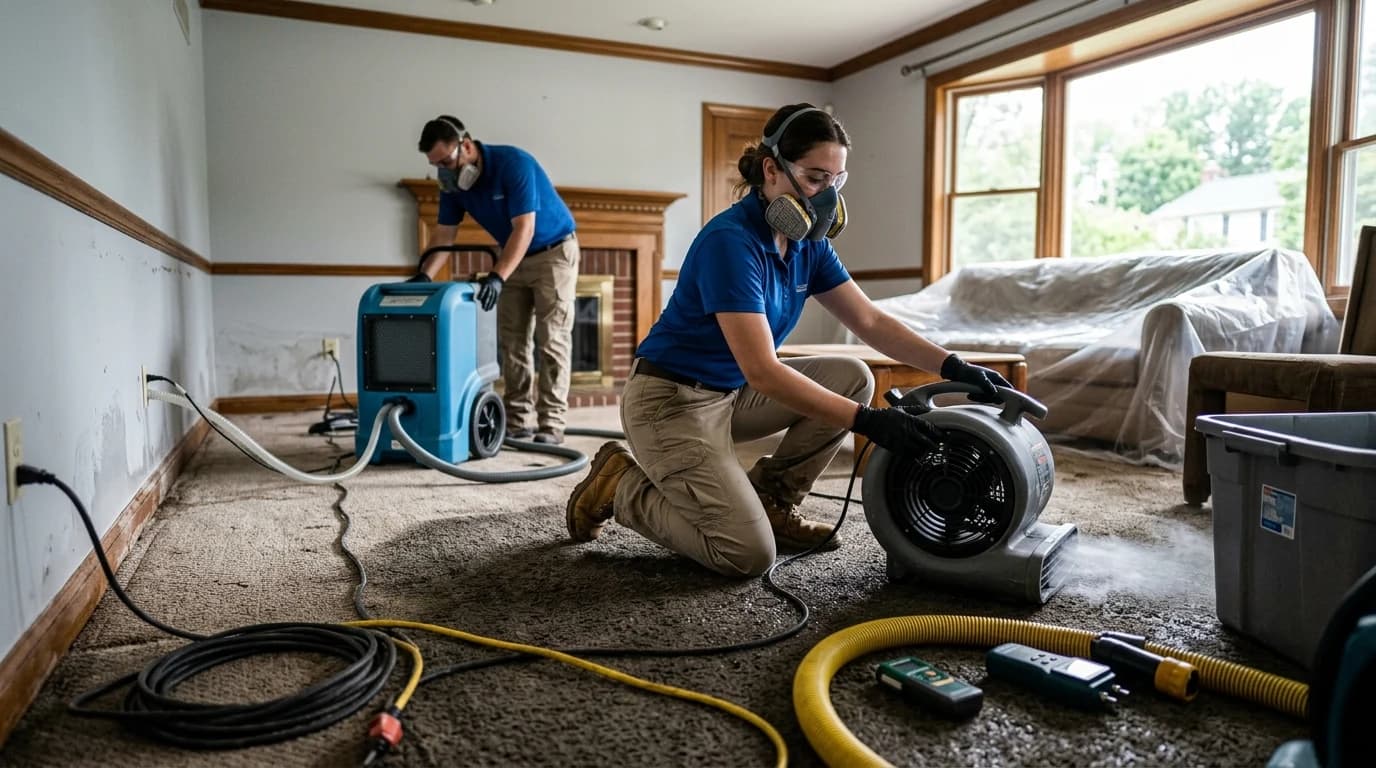
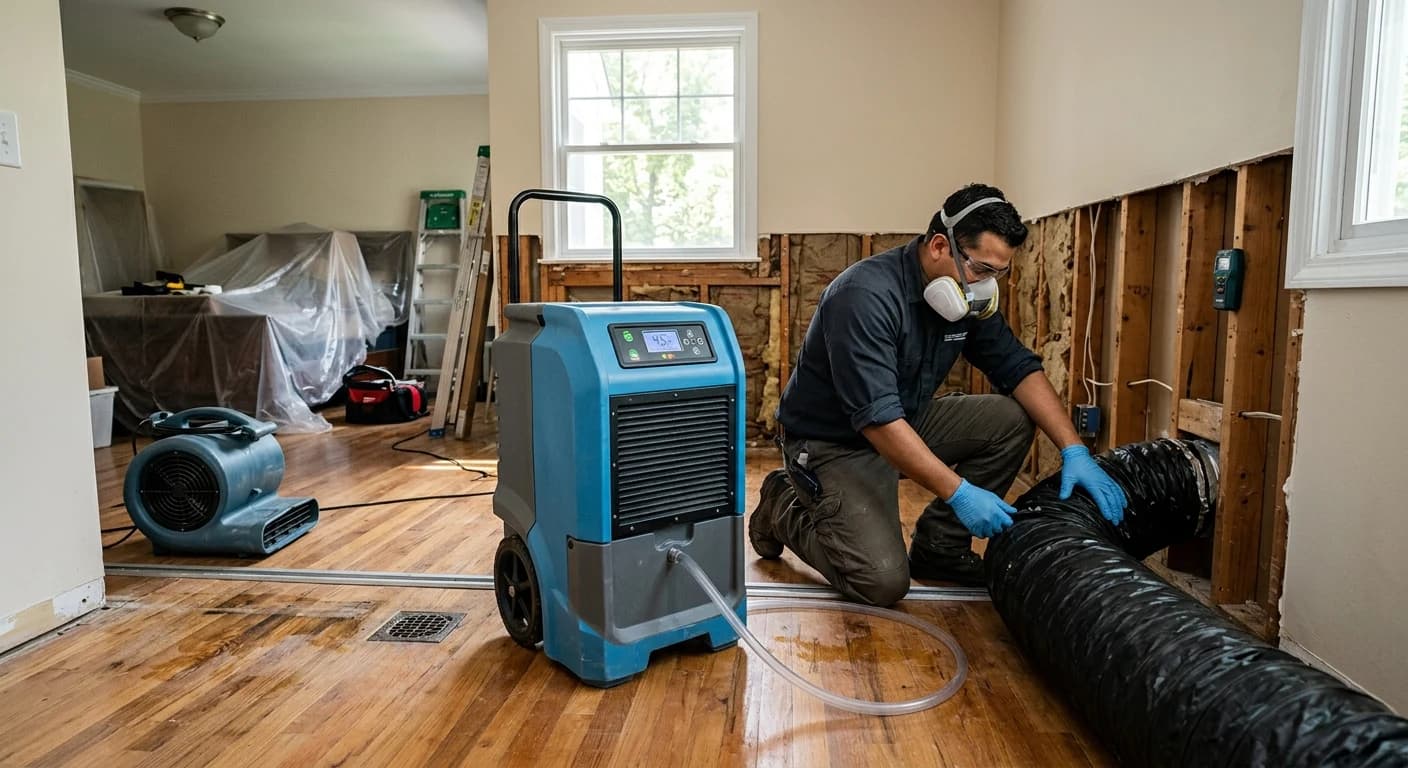
Professionals use advanced equipment, such as industrial-grade dehumidifiers and air movers, to expedite the drying process. They also apply specialized treatments to prevent mold growth. Hiring a professional restoration company ensures that the process is both efficient and thorough, minimizing downtime for homeowners. Learn more about our approach on our services page.
1. Advanced Equipment: Restoration professionals utilize state-of-the-art equipment to remove moisture quickly. High-capacity dehumidifiers extract moisture from the air, while air movers increase air circulation to enhance evaporation.
2. Moisture Detection Tools: Infrared cameras and moisture meters help professionals identify hidden moisture pockets that could lead to future problems if not addressed.
3. Mold Prevention: To prevent mold, professionals use antimicrobial treatments on affected surfaces. This step is crucial as mold can begin to grow within 24-48 hours in damp conditions.
4. Comprehensive Assessments: Experts conduct thorough assessments to determine the full extent of damage, ensuring that no area is overlooked. This comprehensive approach helps in formulating a detailed and effective restoration plan.
5. Continuous Monitoring: Throughout the process, professionals monitor moisture levels to ensure that drying is progressing as expected. Adjustments to equipment and strategy are made based on these readings to optimize results.
6. Experience and Training: Restoration companies have trained technicians who understand the nuances of different types of water damage and the best practices for restoration, ensuring the process is completed efficiently.
1. Advanced Equipment: Restoration professionals utilize state-of-the-art equipment to remove moisture quickly. High-capacity dehumidifiers extract moisture from the air, while air movers increase air circulation to enhance evaporation.
2. Moisture Detection Tools: Infrared cameras and moisture meters help professionals identify hidden moisture pockets that could lead to future problems if not addressed.
3. Mold Prevention: To prevent mold, professionals use antimicrobial treatments on affected surfaces. This step is crucial as mold can begin to grow within 24-48 hours in damp conditions.
4. Comprehensive Assessments: Experts conduct thorough assessments to determine the full extent of damage, ensuring that no area is overlooked. This comprehensive approach helps in formulating a detailed and effective restoration plan.
5. Continuous Monitoring: Throughout the process, professionals monitor moisture levels to ensure that drying is progressing as expected. Adjustments to equipment and strategy are made based on these readings to optimize results.
6. Experience and Training: Restoration companies have trained technicians who understand the nuances of different types of water damage and the best practices for restoration, ensuring the process is completed efficiently.
What Role Does Insurance Play in Restoration Time?
Insurance can significantly impact the timeline of restoration. Prompt communication with your insurance provider can speed up the process, as can having a detailed inventory of damaged items. Many restoration companies work directly with insurance providers, which can further streamline the process, ensuring that your home is restored as quickly as possible.
1. Prompt Claims: Reporting your claim as soon as the water damage is discovered is crucial. Delays in filing can lead to complications or denials, prolonging the restoration process.
2. Detailed Documentation: Keeping a detailed inventory of damaged items, including photos and receipts, can help expedite the claims process. This documentation provides evidence for the insurance company and supports your claim.
3. Insurance Adjuster Coordination: Restoration companies often work closely with insurance adjusters to ensure that all aspects of the damage are covered and that the restoration plan is approved promptly.
4. Understanding Coverage: Knowing what your insurance policy covers ahead of time can save valuable time. Some policies cover only specific types of water damage, so clarity on your coverage can prevent delays.
5. Direct Billing: Many restoration companies offer to bill your insurance company directly, reducing out-of-pocket expenses and financial stress during an already challenging time.
6. Regular Updates: Keep in touch with your insurance provider and restoration company to receive regular updates on the progress of the restoration and any required actions on your part.
1. Prompt Claims: Reporting your claim as soon as the water damage is discovered is crucial. Delays in filing can lead to complications or denials, prolonging the restoration process.
2. Detailed Documentation: Keeping a detailed inventory of damaged items, including photos and receipts, can help expedite the claims process. This documentation provides evidence for the insurance company and supports your claim.
3. Insurance Adjuster Coordination: Restoration companies often work closely with insurance adjusters to ensure that all aspects of the damage are covered and that the restoration plan is approved promptly.
4. Understanding Coverage: Knowing what your insurance policy covers ahead of time can save valuable time. Some policies cover only specific types of water damage, so clarity on your coverage can prevent delays.
5. Direct Billing: Many restoration companies offer to bill your insurance company directly, reducing out-of-pocket expenses and financial stress during an already challenging time.
6. Regular Updates: Keep in touch with your insurance provider and restoration company to receive regular updates on the progress of the restoration and any required actions on your part.
How to Prepare Your Home for Restoration
Preparing your home for water damage restoration can significantly influence the efficiency and speed of the process. By taking proactive steps, you can help the restoration team work more effectively and minimize potential delays. Start by removing any valuable items or important documents from affected areas to prevent further damage. If possible, move furniture and other belongings to a dry, safe location. This not only protects your items but also clears the space for restoration professionals to work more efficiently.
Additionally, ensure that the affected areas are accessible. Clear pathways to the damaged areas to allow for easy movement of equipment and personnel. If you have pets, it might be best to keep them away from the restoration area to avoid any potential hazards and interruptions.
Another crucial step is to turn off the electricity in water-damaged areas to prevent electrical hazards. However, only do this if you can safely access the circuit breaker. If the damage is extensive or involves standing water, wait for professionals to assess the situation. Communicate with your restoration team about any specific concerns you have, such as areas that require special attention or items that need extra care. This collaboration ensures that the restoration process starts smoothly and progresses without unnecessary setbacks.
Additionally, ensure that the affected areas are accessible. Clear pathways to the damaged areas to allow for easy movement of equipment and personnel. If you have pets, it might be best to keep them away from the restoration area to avoid any potential hazards and interruptions.
Another crucial step is to turn off the electricity in water-damaged areas to prevent electrical hazards. However, only do this if you can safely access the circuit breaker. If the damage is extensive or involves standing water, wait for professionals to assess the situation. Communicate with your restoration team about any specific concerns you have, such as areas that require special attention or items that need extra care. This collaboration ensures that the restoration process starts smoothly and progresses without unnecessary setbacks.
Post-Restoration Tips for Homeowners
Once the water damage restoration process is complete, there are several steps you can take to maintain a safe and healthy environment in your home. Begin by ensuring that all affected areas are thoroughly dry. Even after professional drying, it's wise to monitor these areas for signs of residual moisture or mold growth, which can sometimes occur if moisture wasn't entirely eradicated.
Regularly inspect the repaired areas for any unusual odors or discoloration, as these can be indicators of hidden mold. Consider investing in a dehumidifier, especially if you live in a humid climate like parts of NJ, to help maintain optimal indoor humidity levels and prevent future mold issues.
It's also beneficial to review your home’s drainage and waterproofing systems. Ensure that gutters and downspouts are clear and functioning properly to direct water away from your home. Check for any potential leaks in your plumbing system and repair them promptly to prevent future water damage.
Finally, update your emergency plan and keep contact information for local restoration services handy. Being prepared can make a significant difference in response time should another water damage event occur. Keeping these tips in mind will help you maintain a safe home environment and reduce the risk of future water damage incidents.
Regularly inspect the repaired areas for any unusual odors or discoloration, as these can be indicators of hidden mold. Consider investing in a dehumidifier, especially if you live in a humid climate like parts of NJ, to help maintain optimal indoor humidity levels and prevent future mold issues.
It's also beneficial to review your home’s drainage and waterproofing systems. Ensure that gutters and downspouts are clear and functioning properly to direct water away from your home. Check for any potential leaks in your plumbing system and repair them promptly to prevent future water damage.
Finally, update your emergency plan and keep contact information for local restoration services handy. Being prepared can make a significant difference in response time should another water damage event occur. Keeping these tips in mind will help you maintain a safe home environment and reduce the risk of future water damage incidents.
Understanding the Phases of Water Damage Restoration
Water damage restoration is a multi-phase process that requires careful planning and execution to ensure a successful outcome. The first phase typically involves initial assessment and mitigation. During this stage, professionals evaluate the extent of the damage and take immediate actions to prevent further deterioration, such as stopping the water source and removing standing water.
The second phase is the drying and dehumidification process. High-efficiency equipment like industrial dehumidifiers and air movers are employed to remove moisture from the affected areas. This phase is critical as it helps prevent mold growth and structural damage. Depending on the severity of the water intrusion, this step can last from a few days to over a week.
The third phase focuses on cleaning and sanitizing. Professionals clean and disinfect all salvageable items and surfaces to ensure that no contaminants remain. This step is especially important if the water damage involved gray or black water, which can pose health risks.
Finally, the restoration phase involves repairing or replacing damaged structures and materials. This could range from minor repairs, such as replacing drywall, to major reconstruction projects. Throughout each phase, clear communication between the restoration team and the homeowner is essential to keep the project on track and address any concerns promptly.
The second phase is the drying and dehumidification process. High-efficiency equipment like industrial dehumidifiers and air movers are employed to remove moisture from the affected areas. This phase is critical as it helps prevent mold growth and structural damage. Depending on the severity of the water intrusion, this step can last from a few days to over a week.
The third phase focuses on cleaning and sanitizing. Professionals clean and disinfect all salvageable items and surfaces to ensure that no contaminants remain. This step is especially important if the water damage involved gray or black water, which can pose health risks.
Finally, the restoration phase involves repairing or replacing damaged structures and materials. This could range from minor repairs, such as replacing drywall, to major reconstruction projects. Throughout each phase, clear communication between the restoration team and the homeowner is essential to keep the project on track and address any concerns promptly.
Choosing the Right Restoration Company
Selecting a reliable water damage restoration company is crucial to ensuring a smooth and effective recovery process. Start by researching local companies with a strong reputation and positive customer reviews. It's important to verify that the company is licensed and insured, which provides an added layer of protection and assurance.
Experience is another critical factor. Companies with extensive experience in handling various types of water damage will likely have the expertise needed to tackle complex situations efficiently. Ask potential companies about their certifications and training programs to ensure their technicians are well-equipped to manage your specific needs.
Inquire about the response time, as prompt action is vital in mitigating water damage. A company that offers 24/7 emergency services can provide immediate assistance, reducing the risk of further damage. Additionally, a reputable company should be transparent about their processes and provide a detailed estimate before beginning work.
Finally, consider whether the company works directly with insurance providers. This can simplify the claims process and reduce out-of-pocket expenses. If you're in Tenafly or another part of NJ, choosing a company familiar with local conditions can also be beneficial, as they may better understand the area's specific challenges. By taking these factors into account, you can select a restoration company that ensures a quick and effective recovery.
Experience is another critical factor. Companies with extensive experience in handling various types of water damage will likely have the expertise needed to tackle complex situations efficiently. Ask potential companies about their certifications and training programs to ensure their technicians are well-equipped to manage your specific needs.
Inquire about the response time, as prompt action is vital in mitigating water damage. A company that offers 24/7 emergency services can provide immediate assistance, reducing the risk of further damage. Additionally, a reputable company should be transparent about their processes and provide a detailed estimate before beginning work.
Finally, consider whether the company works directly with insurance providers. This can simplify the claims process and reduce out-of-pocket expenses. If you're in Tenafly or another part of NJ, choosing a company familiar with local conditions can also be beneficial, as they may better understand the area's specific challenges. By taking these factors into account, you can select a restoration company that ensures a quick and effective recovery.