How Does Water Damage Affect Home Structure?
Untreated water damage can severely compromise the structural integrity of your home. Over time, water can weaken walls and floors, leading to significant structural issues. In extreme cases, it may cause parts of the building to collapse. Water has a unique ability to seep into areas that are not immediately visible, such as behind walls, under flooring, and into the foundation. This hidden damage can progress undetected for weeks or even months, exacerbating the problem. The materials most commonly affected include wood, drywall, and insulation. When wood becomes saturated, it can warp, rot, and lose its load-bearing capabilities, which is especially concerning for structural beams and floor joists. Drywall, when wet, becomes soft and can crumble, leading to walls that are no longer able to support the weight of shelves or paintings. Insulation loses its effectiveness when wet, leading to increased energy costs as your HVAC system works harder to maintain a comfortable temperature. Regular inspection and prompt action are essential to avoid these dangerous outcomes. For Tenafly homeowners, it's advisable to perform semi-annual checks, especially in basements and attics, to catch early signs of water infiltration.
What Health Risks Are Associated with Untreated Water Damage?
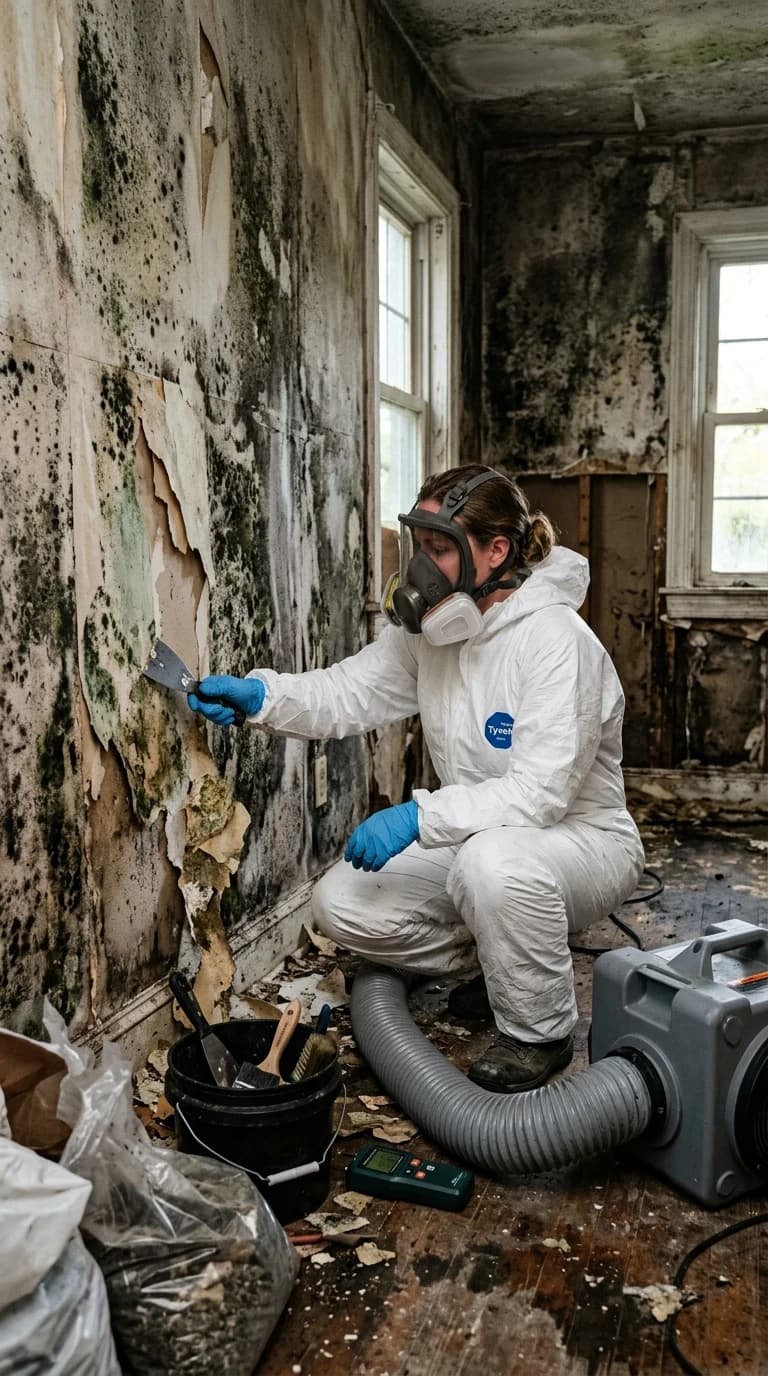
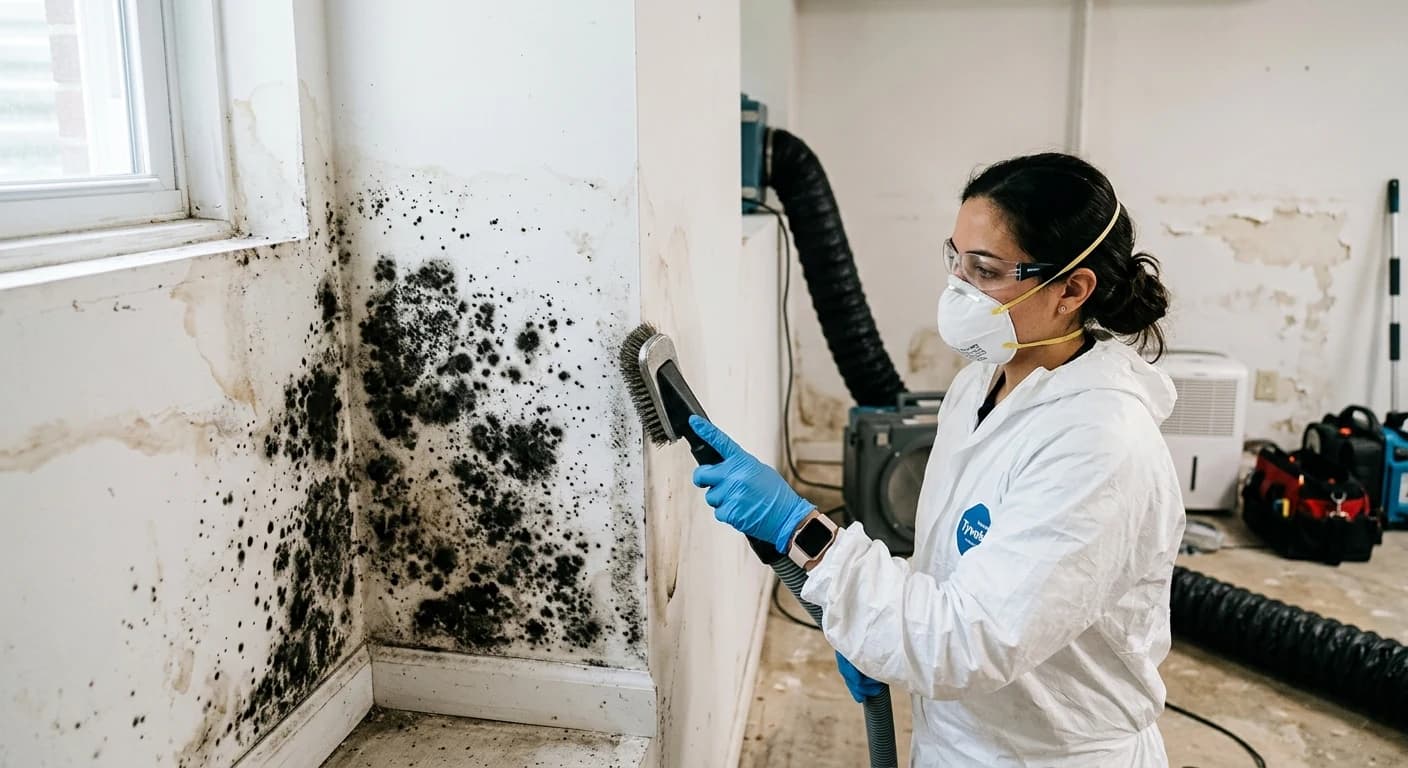
Ignoring water damage can lead to mold growth, which poses several health risks, including respiratory issues, allergies, and asthma. Mold thrives in damp environments, often developing in hidden areas like behind walls and under floors. Mold spores are microscopic and can easily become airborne, entering the respiratory system and causing or exacerbating health issues. Children, the elderly, and individuals with pre-existing respiratory conditions are particularly vulnerable. Symptoms of mold exposure can range from mild, such as sneezing and coughing, to severe, like chronic respiratory illnesses. Additionally, certain types of mold, like black mold (Stachybotrys chartarum), produce mycotoxins that can have more serious health implications. Tenafly residents should be vigilant, as untreated mold can spread quickly, affecting indoor air quality. To prevent mold growth, it's crucial to address any water leaks or flooding immediately. This includes fixing plumbing issues, ensuring proper ventilation in areas prone to moisture, and using dehumidifiers to maintain optimal humidity levels. For professional assistance, contact us through our contact page.
Can Untreated Water Damage Affect Home Value?
Yes, untreated water damage can significantly decrease a property's value. Prospective buyers are often deterred by the potential for costly repairs and health risks. A home inspection that reveals water damage can lead to reduced offers or even the decision to walk away from a deal altogether. Moreover, homes with a history of water damage may be flagged as high-risk by insurers, leading to higher premiums or difficulty obtaining coverage. Addressing water damage promptly ensures that your home retains its market value and remains a safe investment. It's important for homeowners to keep detailed records of any repairs and maintenance work related to water damage. This documentation can be invaluable during the selling process, providing reassurance to potential buyers that the issue has been professionally managed. Additionally, implementing preventive measures, such as installing sump pumps in basements, applying water-resistant coatings to vulnerable areas, and ensuring proper drainage around the home, can further protect your property's value.
What Are the Long-term Financial Implications of Ignoring Water Damage?
Ignoring water damage can lead to substantial long-term financial burdens for homeowners. Initially, the costs might seem manageable, but as the damage progresses, repair expenses can skyrocket. For example, minor leaks that are left untreated can lead to significant structural repairs, which are often more expensive than addressing the issue early on. Furthermore, water damage can lead to mold growth, requiring professional remediation services that add to the overall cost. In addition to repair costs, untreated water damage can increase utility bills. Damaged insulation and compromised HVAC systems lead to higher energy consumption as they struggle to maintain desired indoor temperatures. Over time, these increased costs can add up significantly. Moreover, if you choose to sell your home, the presence of water damage can lower the property’s market value, as potential buyers may be wary of the associated risks and repair needs. To prevent these financial pitfalls, it's crucial to conduct regular inspections and address any signs of water damage promptly. Investing in preventive measures, such as waterproofing basements and ensuring proper drainage, can save thousands in the long run.
How Can Homeowners Prevent Water Damage Effectively?
Preventing water damage is a proactive approach that can save homeowners both time and money. Start by inspecting your home regularly for signs of leaks or water intrusion, especially after heavy rainfalls or snow melts. Key areas to monitor include basements, attics, and around windows and doors. Ensure that gutters and downspouts are clean and direct water away from the foundation. Installing a sump pump in the basement can also help manage excess water during storms. Inside the home, check plumbing fixtures and appliances regularly for leaks. Consider installing water leak detectors that can alert you to potential issues before they escalate. Additionally, maintaining a proper humidity level is essential to prevent mold growth; using dehumidifiers in damp areas can be beneficial. For those in older homes or areas prone to flooding, such as certain parts of NJ, upgrading to water-resistant materials and finishes can provide an extra layer of protection. By taking these preventive steps, homeowners can significantly reduce the risk of water damage and preserve the integrity and value of their property.
Why Timely Water Damage Restoration Is Crucial
Timely restoration of water damage is vital to prevent further complications and costs. When water damage is addressed promptly, the extent of the damage can be minimized, reducing the need for extensive repairs. Quick action can prevent secondary issues such as mold growth, which begins to develop within 24 to 48 hours of water exposure. By addressing water damage immediately, you can also avoid long-term structural damage that can weaken the foundation and compromise the safety of your home. Additionally, timely restoration can protect your personal belongings from irreparable harm. Furniture, electronics, and important documents are all at risk when exposed to water, and swift action can help salvage these items. Engaging professional restoration services ensures that the water is thoroughly extracted and the affected areas are properly dried and sanitized, preventing any lingering moisture that could lead to further problems. Furthermore, prompt restoration can help maintain the air quality in your home, as stagnant water and mold can release harmful spores and odors. For homeowners, especially those in regions like NJ that experience varying weather conditions, having a plan in place for immediate response to water damage can save both time and money in the long run.
Understanding Insurance Considerations for Water Damage
Navigating the complexities of insurance coverage for water damage can be challenging, but understanding your policy is essential for effective financial management. Most standard homeowners' insurance policies cover sudden and accidental water damage, such as that caused by burst pipes or an unexpected appliance failure. However, damage resulting from negligence or lack of maintenance, such as slow leaks or long-term seepage, is typically not covered. It's crucial for homeowners to review their policy details to determine what is included and what might require additional coverage. Consider adding a water backup endorsement or flood insurance, especially if you live in an area prone to heavy rainfall or flooding. Documenting the condition of your property with photos and maintaining records of any repairs and maintenance can support your claims process if you experience water damage. When filing a claim, report the damage as soon as possible and provide detailed information to your insurer, including the cause of the damage and the extent of the loss. Hiring a professional restoration company can also assist in the claims process, as they can provide detailed assessments and estimates that may be required by your insurance provider. By understanding your insurance coverage and taking proactive measures, you can better protect your home and finances from the impact of water damage.