Why is Early Detection Important?
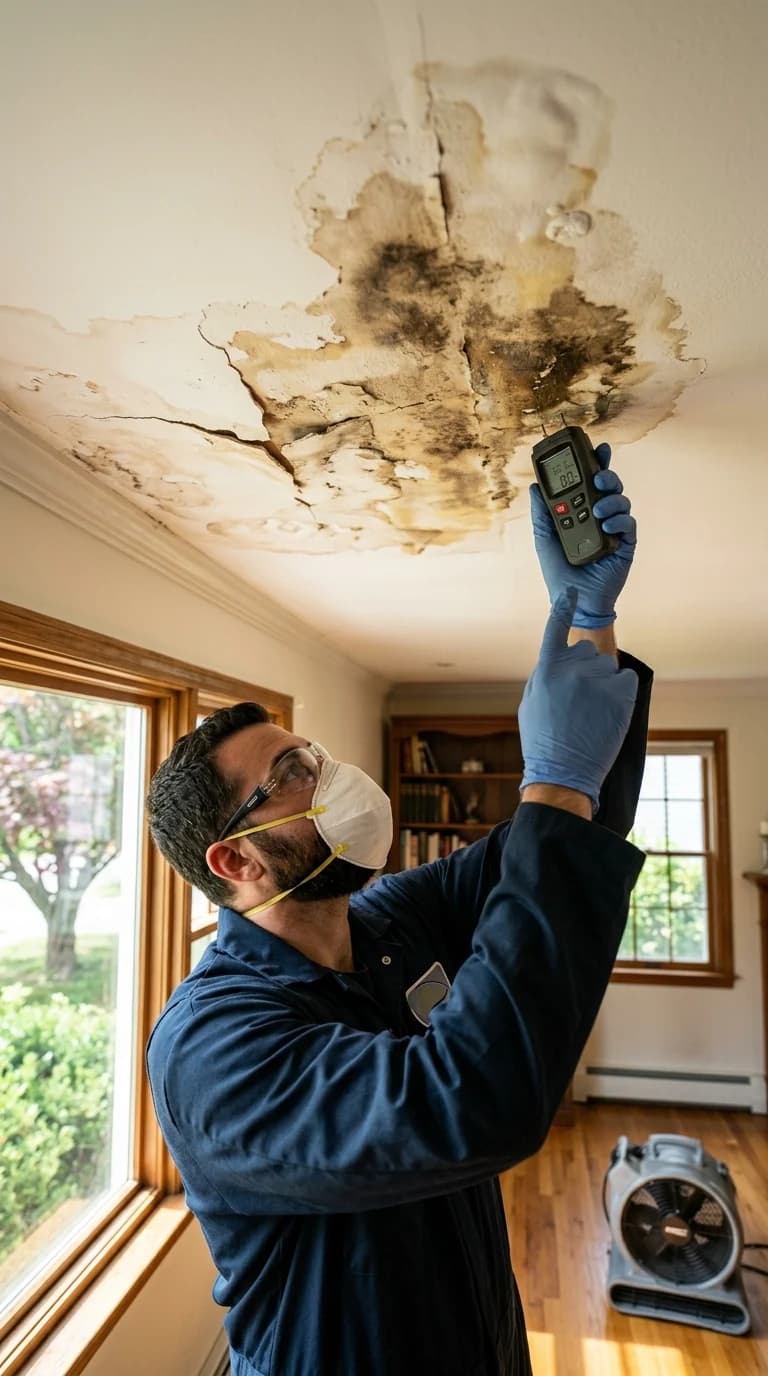
Detecting water damage early can prevent further destruction to your home and save money in the long run. Water damage often starts small, going unnoticed until it causes significant issues. By spotting the early signs, such as discoloration on walls or musty odors, homeowners can act quickly to mitigate damage. In Tenafly, fluctuating weather patterns can exacerbate water issues, making early detection crucial.
Firstly, early detection helps in preserving the structural integrity of your home. Water can seep into the foundation, weakening the structure over time. This can lead to costly repairs and even safety hazards if not addressed promptly. Moreover, early intervention can prevent the development of mold, which thrives in damp environments and can pose serious health risks to your family, including respiratory issues and allergic reactions.
Furthermore, addressing water damage early can save money on utilities. Undetected leaks can significantly increase water bills, adding unnecessary expenses. By resolving these issues quickly, homeowners can maintain efficient water usage, contributing to both environmental conservation and financial savings. Lastly, early detection offers peace of mind. Knowing that your home is free from hidden water damage allows you to focus on other aspects of home maintenance without the looming threat of unexpected repairs.
Firstly, early detection helps in preserving the structural integrity of your home. Water can seep into the foundation, weakening the structure over time. This can lead to costly repairs and even safety hazards if not addressed promptly. Moreover, early intervention can prevent the development of mold, which thrives in damp environments and can pose serious health risks to your family, including respiratory issues and allergic reactions.
Furthermore, addressing water damage early can save money on utilities. Undetected leaks can significantly increase water bills, adding unnecessary expenses. By resolving these issues quickly, homeowners can maintain efficient water usage, contributing to both environmental conservation and financial savings. Lastly, early detection offers peace of mind. Knowing that your home is free from hidden water damage allows you to focus on other aspects of home maintenance without the looming threat of unexpected repairs.
What Are the Common Indicators of Water Damage?
Common indicators of water damage include visible stains on ceilings and walls, peeling paint, warped flooring, and the presence of mold. Homeowners should also be aware of any unexplained increase in their water bill, as this might indicate hidden leaks. Regularly inspecting areas prone to moisture, like basements and attics, can help in identifying these signs early. For more tips, visit our services page.
Stains and discoloration often appear as brownish or yellowish marks, usually in circular patterns. These stains can be a sign of a leak from the roof or plumbing issues. Peeling paint or wallpaper is another indicator, as water can cause adhesive materials to lose their stickiness. Warped or buckled flooring, particularly in areas like the kitchen or bathroom, can signal that water has seeped beneath the surface, which may require immediate attention to prevent further damage.
Mold growth is a key indicator of water damage and can often be accompanied by a musty odor. It's important to address mold issues quickly, as they can spread rapidly and exacerbate health problems. Additionally, check for soft spots on walls or floors, which can indicate that water has been absorbed, weakening the material. Pay close attention to window sills and door frames, as these areas are often exposed to external moisture and can show signs of swelling or rot.
Finally, be observant of any sounds of dripping or running water when no fixtures are in use. This could be an indication of a leak within the walls or floors. By keeping a vigilant eye on these signs, homeowners can take proactive steps to address potential water damage before it escalates into a more severe problem.
Stains and discoloration often appear as brownish or yellowish marks, usually in circular patterns. These stains can be a sign of a leak from the roof or plumbing issues. Peeling paint or wallpaper is another indicator, as water can cause adhesive materials to lose their stickiness. Warped or buckled flooring, particularly in areas like the kitchen or bathroom, can signal that water has seeped beneath the surface, which may require immediate attention to prevent further damage.
Mold growth is a key indicator of water damage and can often be accompanied by a musty odor. It's important to address mold issues quickly, as they can spread rapidly and exacerbate health problems. Additionally, check for soft spots on walls or floors, which can indicate that water has been absorbed, weakening the material. Pay close attention to window sills and door frames, as these areas are often exposed to external moisture and can show signs of swelling or rot.
Finally, be observant of any sounds of dripping or running water when no fixtures are in use. This could be an indication of a leak within the walls or floors. By keeping a vigilant eye on these signs, homeowners can take proactive steps to address potential water damage before it escalates into a more severe problem.
What Tools Can Help Detect Water Damage?
Various tools can assist in detecting water damage, such as moisture meters and infrared cameras. These tools can help pinpoint hidden leaks and measure moisture levels in walls and floors. Investing in quality equipment or hiring professionals to conduct a thorough inspection ensures that no area is overlooked, protecting your home from extensive damage.
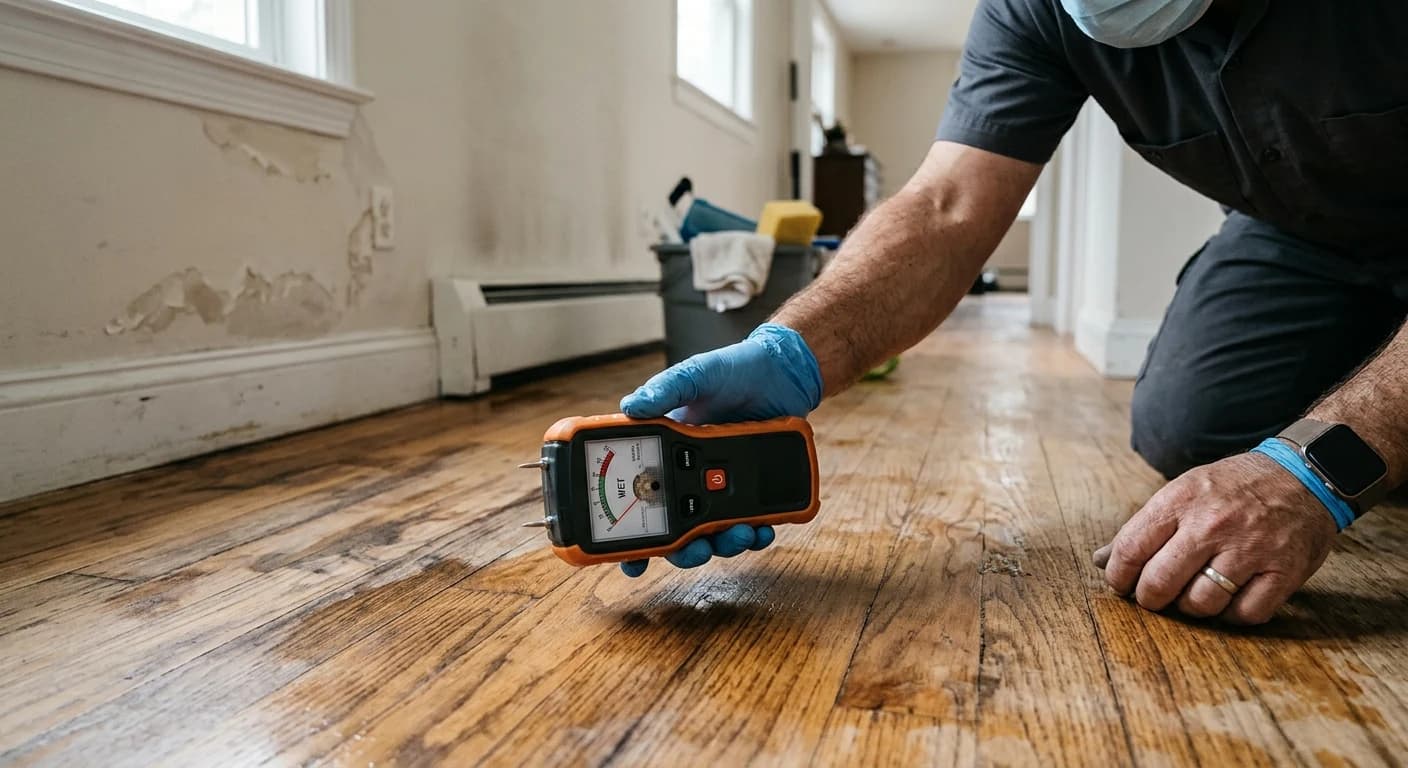
Moisture meters are handheld devices that can measure the moisture content in building materials. They are particularly useful for identifying dampness in drywall, wood, and concrete. These meters provide instant readings, allowing homeowners to quickly assess areas that may require further investigation. Infrared cameras, on the other hand, can detect temperature variations in walls and ceilings. Since wet areas tend to be cooler, these cameras can identify hidden leaks that are not visible to the naked eye.
In addition to these tools, water leak detectors can be installed in areas prone to leaks, such as under sinks, near washing machines, or in basements. These devices can alert homeowners to the presence of water with an audible alarm or a notification on their smartphone, enabling a rapid response to potential issues.
For those who prefer a professional touch, hiring a water damage restoration expert can provide peace of mind. Professionals have access to advanced tools and techniques to thoroughly inspect your home and identify any hidden problems. They can also offer recommendations for repairs and preventative measures, ensuring your home remains protected from future water damage. Regular professional inspections, especially in areas like Tenafly where weather patterns can cause unexpected water issues, can be a worthwhile investment in maintaining the health and safety of your home.
Moisture meters are handheld devices that can measure the moisture content in building materials. They are particularly useful for identifying dampness in drywall, wood, and concrete. These meters provide instant readings, allowing homeowners to quickly assess areas that may require further investigation. Infrared cameras, on the other hand, can detect temperature variations in walls and ceilings. Since wet areas tend to be cooler, these cameras can identify hidden leaks that are not visible to the naked eye.
In addition to these tools, water leak detectors can be installed in areas prone to leaks, such as under sinks, near washing machines, or in basements. These devices can alert homeowners to the presence of water with an audible alarm or a notification on their smartphone, enabling a rapid response to potential issues.
For those who prefer a professional touch, hiring a water damage restoration expert can provide peace of mind. Professionals have access to advanced tools and techniques to thoroughly inspect your home and identify any hidden problems. They can also offer recommendations for repairs and preventative measures, ensuring your home remains protected from future water damage. Regular professional inspections, especially in areas like Tenafly where weather patterns can cause unexpected water issues, can be a worthwhile investment in maintaining the health and safety of your home.
How to Perform a DIY Water Damage Inspection
Conducting a DIY water damage inspection can be a practical first step in identifying potential issues before they escalate. Begin by gathering basic tools such as a flashlight, moisture meter, and a notepad for documenting your findings. Start your inspection in high-risk areas, such as basements, attics, and around plumbing fixtures. Examine these spaces for any visible signs of water damage, including discoloration, musty odors, or mold growth.
Use your flashlight to thoroughly check corners, behind furniture, and under carpets for hidden signs of moisture. Pay special attention to areas where water might pool, such as around windows, doors, and the base of walls. If you suspect moisture, use a moisture meter to confirm the presence of water in materials like drywall or wood. This tool can help you determine if a problem area needs further investigation or professional intervention.
Don't forget to inspect exterior areas as well. Check gutters and downspouts to ensure they are clear and directing water away from the foundation. Look for signs of water pooling around the home's perimeter, which could indicate drainage issues. Document any findings and, if necessary, consult a professional for an in-depth assessment. A regular DIY inspection can help catch early signs of water damage, potentially saving you from costly repairs in the future.
Use your flashlight to thoroughly check corners, behind furniture, and under carpets for hidden signs of moisture. Pay special attention to areas where water might pool, such as around windows, doors, and the base of walls. If you suspect moisture, use a moisture meter to confirm the presence of water in materials like drywall or wood. This tool can help you determine if a problem area needs further investigation or professional intervention.
Don't forget to inspect exterior areas as well. Check gutters and downspouts to ensure they are clear and directing water away from the foundation. Look for signs of water pooling around the home's perimeter, which could indicate drainage issues. Document any findings and, if necessary, consult a professional for an in-depth assessment. A regular DIY inspection can help catch early signs of water damage, potentially saving you from costly repairs in the future.
Preventative Measures to Avoid Water Damage
Preventing water damage is often more effective and less costly than repairs. Start by ensuring your home's drainage systems are functioning properly. Clean gutters and downspouts regularly to prevent clogs that can lead to water overflow and damage. Extend downspouts to direct water at least five feet away from your home's foundation.
Inside your home, consider installing water leak detectors in high-risk areas like kitchens, bathrooms, and laundry rooms. These devices can alert you to leaks before they cause significant damage. Regularly inspect and maintain appliances such as washing machines, dishwashers, and water heaters, checking hoses and connections for signs of wear or leaks.
Seal any gaps or cracks in windows, doors, and walls to prevent water ingress. Use weather stripping and caulking to create a water-tight seal, and consider installing a sump pump in basements prone to flooding. Additionally, ensure your roof is in good condition by inspecting it annually for missing or damaged shingles.
Finally, educate your family about the signs of water damage and the importance of early detection. By taking these preventative steps, you can significantly reduce the risk of water damage, protecting your home and maintaining its value. Regular maintenance and vigilance can help keep your home dry and safe, even in areas like NJ where weather conditions can be unpredictable.
Inside your home, consider installing water leak detectors in high-risk areas like kitchens, bathrooms, and laundry rooms. These devices can alert you to leaks before they cause significant damage. Regularly inspect and maintain appliances such as washing machines, dishwashers, and water heaters, checking hoses and connections for signs of wear or leaks.
Seal any gaps or cracks in windows, doors, and walls to prevent water ingress. Use weather stripping and caulking to create a water-tight seal, and consider installing a sump pump in basements prone to flooding. Additionally, ensure your roof is in good condition by inspecting it annually for missing or damaged shingles.
Finally, educate your family about the signs of water damage and the importance of early detection. By taking these preventative steps, you can significantly reduce the risk of water damage, protecting your home and maintaining its value. Regular maintenance and vigilance can help keep your home dry and safe, even in areas like NJ where weather conditions can be unpredictable.